
Metal structural work is an integral part of modern construction.
It has become a staple in the construction of various structures—from industrial halls to skyscrapers—all of which bear testament to the significance of metal construction in various situations. The increasing rate of urbanisation coupled with a heightened demand for efficient solutions, plays a significant role in highlighting the importance of strong and flexible construction capabilities that are aptly supported by metal structural work. This article explores their role in today’s building design, looking at functions, integration, processes, and sustainable trends.
The Role of Metal Structural Work
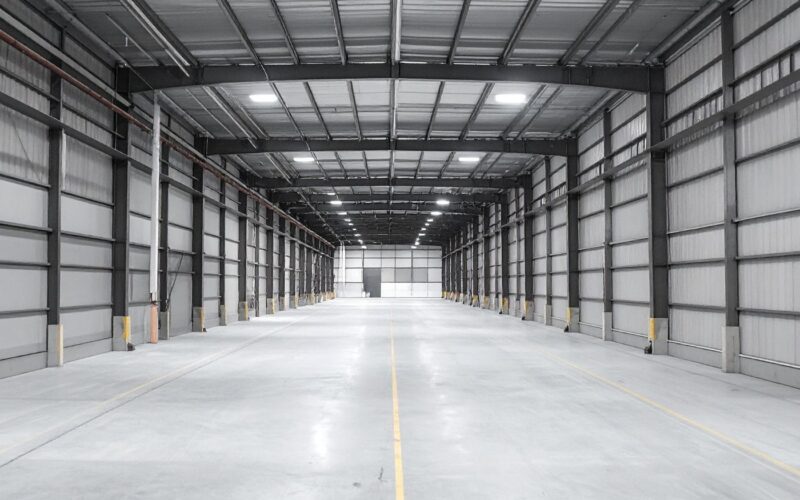
Providing immense strength, stability, and durability to construction projects, metal structural work solutions have been historically known for possessing a high carrying capacity without compromising on the architectural freedom of design. Metal configurations have been utilised in the construction of buildings, bridges, towers, industrial buildings, and long-span roofs, which frequently exceed the capabilities of traditional building materials.
Furthermore, one of the outstanding qualities of these materials is their service life. Due to their anti-corrosive nature, combined with an adaptability for a variety of situations, metal frameworks offer reduced maintenance needs in the long run, as well as supporting the construction of buildings that are required to endure for decades. It is the combination of strength backed by durability that allows metal structural work to play such a vital role in construction today.
Integration with Modern Design Aesthetics
Metal structures aren’t just valued for their physical attributes but also for their creative possibilities. Their strength-to-weight ratio means they can span great distances and create open space, so architects can design fluid, well-lit, airy places.
Today’s architecture features ribbon-like undulating walls, broad layouts, towering glass walls, all of which need metal to hold them up. The use of metal structures with modern designs can reconcile form and function—creating beautiful spaces that are strong and safe, too.
Processes and Standards in Metal Structural Work
Delivering reliable frameworks requires precise processes. Projects begin with careful design, considering loads, stress, and local codes. Fabrication shapes raw metal into beams or trusses, followed by welding and assembly on-site.
Compliance with engineering standards and safety codes underpins every stage. Inspections and certifications ensure frameworks meet requirements. This attention to process guarantees durability while protecting both investments and users.
Future Perspective and Projections of Sustainable Movements
Sustainability is revolutionising the world of metal structural metalwork and non-renewable metal components play a fundamental role in emissions reduction without sacrificing their operational potential. Increasing use is also being made of prefabrication: the components can be manufactured with a low wastage factor off-site and then rapidly assembled on site.
Environmentally friendly credentials can be further strengthened through certification programs such as LEED and BREEAM. Suitable for supporting ecological concerns, structural metalwork is a must not only for its ability to sustain and provide architectural solutions but also for its environmental reliability.
Conclusion
Metal structural work is where durability, ingenuity, and eco-consciousness come together. With the future of construction changing, metal frameworks will play a crucial part in durable, efficient, and forward-thinking building design.